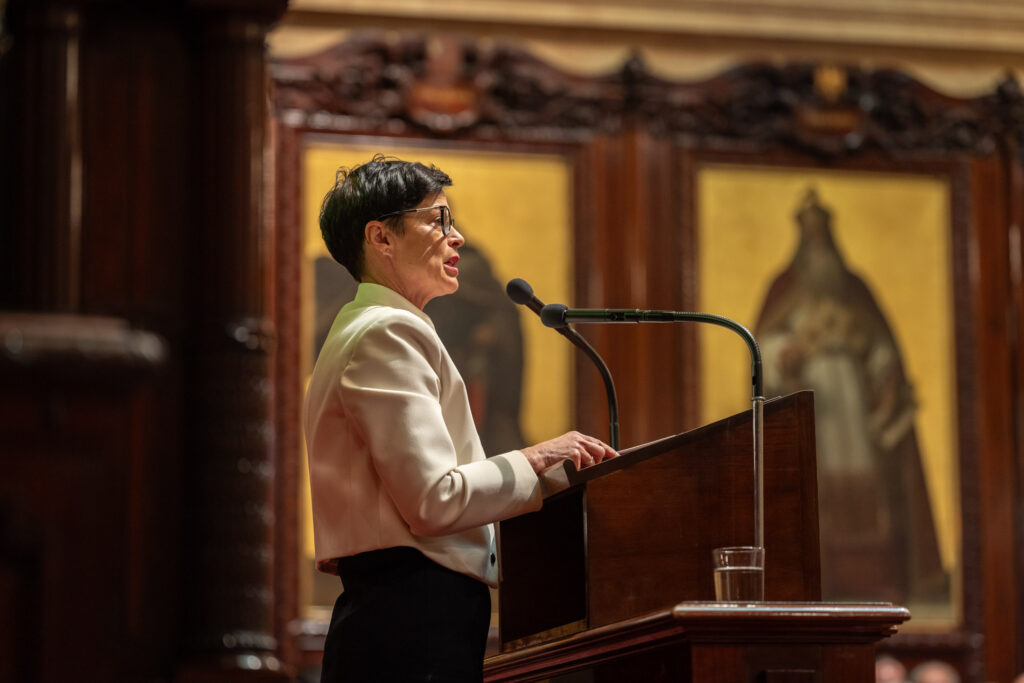
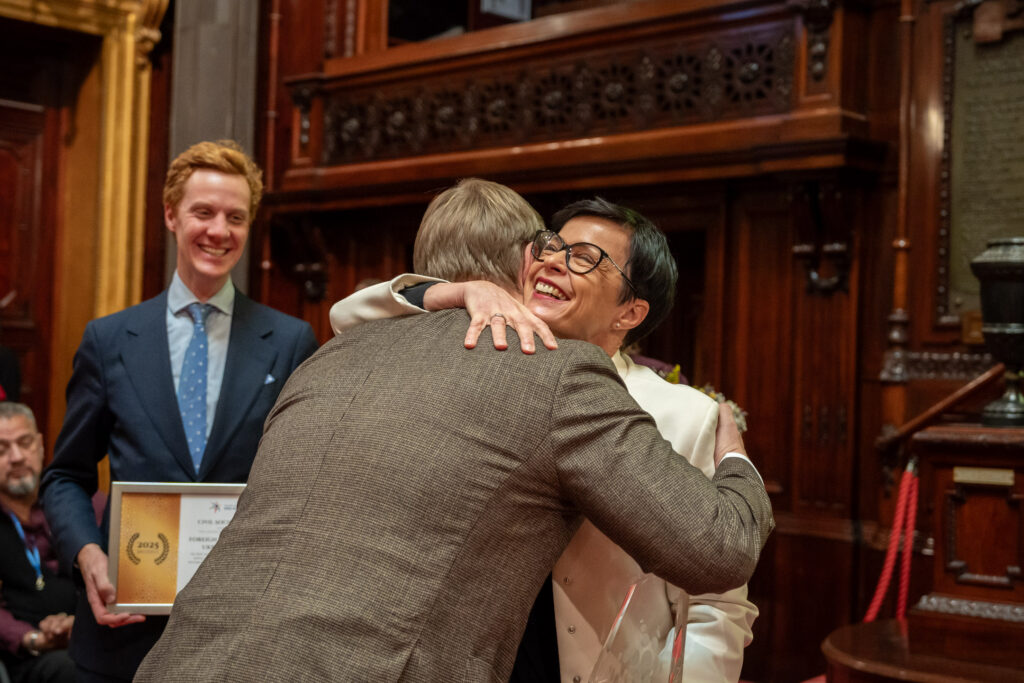
Resolution of the EaP Civil Society Forum 2025
Brussels, 2 December 2025
You can read the full text in PDF here.
***
We, the Eastern Partnership Civil Society Forum (EaP CSF), united by a shared commitment to democratic values, human rights and regional solidarity and cooperation, gather at a time marked by unprecedented challenges and transformative change across the Eastern Partnership (EaP) region,
Russia’s war of aggression against Ukraine continues to be the main threat to the Eastern Partnership countries and the EU Member States alike, international law, and the rules-based order. Its devastating consequences extend far beyond Ukraine, reinforcing the urgency of resilient, democratic societies across Europe,
Over the past year, civil society across the EaP region has shown remarkable resilience and dedication, promoting civic engagement, supporting democratic reforms, and strengthening regional cooperation. By carrying out civic education, capacity-building initiatives, public awareness campaigns, governance monitoring, dialogue facilitation, and the defence of human rights, civil society has reinforced accountability, amplified citizens’ voices, and contributed to building more inclusive, participatory, and resilient societies, despite the continuing challenges facing the region,
In this context, we reaffirm the vital role of civil society as a driver of positive transformations, a guarantor of accountability, and a key partner in fostering dialogue and democratic resilience, both within EaP countries and in cooperation with the EU,
Eastern Partnership policy
Reiterating EaP policy’s role as safeguard, anchoring the EaP countries and their societies to the EU regardless of the presence and type of bilateral agreement that each country has with the EU,
Emphasising the EaP policy provides synergies with enlargement offering the opportunity to accelerate the internal reform agenda of those countries willing to advance on the EU path and to pursue harmonised agendas for the countries with European aspirations,
Recalling the role of the EaP policy in facilitating cross-border solidarity among civil society organisations, particularly in response to Russia’s full-scale invasion of Ukraine and current crackdowns on civic space in Georgia,
Emphasising the role of the EaP policy in maintaining dialogue and cooperation with independent civil society actors in Azerbaijan and with Belarusian democratic forces and civil society, especially in light of the evolving political context following the elections in 2024 and 2025.
Highlighting that in Armenia, where the Parliament adopted a law to launch EU membership process in March 2025, the EaP policy continues to support democratic reforms, peace, and regional stability,
Reiterating the Eastern Partnership Index as a key monitoring tool tracking legislative and implementation progress across EaP countries, revealing increasing divergence in reform paths and highlighting the need for tailored support,
Affirming the role of the EaP policy in fostering regional cooperation, including through human security approaches that address protracted conflicts and strengthen resilience,
Underlining the importance of civil society in promoting rule of law reforms, monitoring their implementation, and ensuring accountability, particularly amidst shrinking civic space and increased authoritarian tendencies across the region,
Encouraging a renewed focus on enhancing the EaP’s security dimension, including through cooperation under the Common Foreign and Security Policy (CFSP) and the Common Security and Defence Policy (CSDP), to address rising hybrid threats and foreign interference,
Recognising that the issue of millions of refugees to/from the Eastern Partnership area remains unresolved and security guarantees for their return have not been provided,
Highlighting the strategic importance of the Black Sea for regional cooperation in areas such as economic and energy security, and data connectivity,
Stressing our continued engagement with the thematic priorities of the Working Groups of the Eastern Partnership Civil Society Forum stemming from the Joint Staff Working Document (JSWD) “Recovery, resilience and reform: post 2020 Eastern Partnership priorities” and the EaP Multi-annual Work Plan 2025-2027,
Reiterating that the EaP multilateral dimension remains underutilised, greater complementarity between the Eastern Partnership’s multilateral policy format and bilateral agendas should be pursued,
Russia’s war of aggression against Ukraine and hybrid attacks in the EaP region
Condemning in the strongest terms the continuation of the Russian Federation’s full-scale military aggression against Ukraine, which has resulted in immense suffering, tens of thousands of civilian casualties, and widespread destruction of infrastructure, energy systems, and the environment,
Condemning attacks on energy and essential civilian infrastructure, including electricity generation, fuel production and distribution, and district heating systems, which endanger public safety, disrupt vital services, and risk triggering a widespread humanitarian crisis,
Honouring the courage and resilience of the Ukrainian people in defending their sovereignty, democracy, and European future, and paying tribute to the victims of Russia’s invasion,
Recalling that all territories under occupation — including the Autonomous Republic of Crimea, the city of Sevastopol, as well as parts of the Donetsk, Luhansk, Kherson, Mykolayiv and Zaporizhzhia regions — constitute a single space of armed aggression, widespread and systematic human rights violations, and international crimes committed by Russia,
Echoing the continued calls of Ukrainian civil society for bold and unwavering support from the EU, its Member States, and international partners to stop Russia’s aggression and accelerate Ukraine’s European integration,
Acknowledging with deep concern, Russian drone incursions into airspace of EU Member States and EaP countries over the past year, highlighting cross-border threats to security and infrastructure and the need for greater regional cooperation,
Recalling the increase in hybrid attacks orchestrated by the Russian Federation in Georgia and the Republic of Moldova in the run-up to the elections in 2024 and 2025, including coordinated disinformation campaigns, cyberattacks, political interference, and state-sponsored propaganda designed to polarise society, discredit the EU, and manipulate public discourse,
Noting the use of foreign information manipulation and interference (FIMI) tactics in Georgia to legitimise anti-European narratives and justify the introduction of the so-called “foreign agents” legislation, undermining media freedom, civil society space, and democratic institutions,
Observing that the Republic of Moldova faced a surge in hybrid threats during 2025, including cyberattacks on state institutions, energy infrastructure sabotage, coordinated street protests financed by pro-Kremlin networks, and efforts to disrupt the electoral process and public trust in the country’s European integration agenda,
Highlighting the continued presence and operational support of Russian intelligence structures in the Republic of Moldova and Georgia aimed at destabilising institutions, amplifying political divisions, and obstructing reforms, particularly those aligned with the EU accession agenda, and are alarmed, that this behaviour can be also distributed to Armenia prior to the upcoming Parliamentary elections in June 2026,
Acknowledging public statements by international actors, including current U.S. President, proposing a negotiated peace between Russia and Ukraine, while reiterating that any settlement must not come at the expense of Ukraine’s sovereignty, territorial integrity, and internationally recognised borders, nor undermine accountability for war crimes committed,
Reaffirming that Russia’s war of aggression against Ukraine is accompanied by persistent hybrid attacks across the Eastern Partnership region, threatening democratic institutions, civil society, and the European future of EaP countries,
Shrinking civic space
Noting with concern the continued deterioration of civic space across the Eastern Partnership region during 2025, marked by intensified restrictions on freedom of association, assembly, and expression, including the adoption and enforcement of “foreign influence” / “foreign agent” laws in several countries,
Georgia
- Acknowledging with alarm that on 31 May 2025, the Georgian Parliament’s Foreign Agents Registration Act (FARA) came into force, compelling individuals and organisations receiving foreign funding to register as “foreign agents” if they engage in vaguely defined political activity, with non-compliance leading to penalties, including criminal prosecution and jail time, and expressing deep concern that this law forms part of a broader crackdown on civil society, such as the Law on Transparency of Foreign Influence and amendments to the Law on Grants. These measures have further entrenched a stigmatising and punitive environment for CSOs, intensified surveillance, and increased legal harassment targeting NGOs, media, and individual activists, including the freezing of bank accounts, seizure of equipment, misuse of laws to suppress dissent, and coercive demands for sensitive organisational data—actions widely condemned by international organisations.
- Noting with concern that the Anti-Corruption Bureau has ordered more than 100 civil society and media organisations to disclose detailed financial and operational data within an unreasonably short timeframe,
- Deeply concerned that the Prosecutor’s Office has initiated investigations under severe criminal code articles—including “sabotage,” “assisting a foreign organisation in hostile activities,” and “financing actions against Georgia’s constitutional order”—carrying penalties of up to life imprisonment, with human rights defenders subjected to interrogation, home searches, and confiscation of personal devices, investigations against CSOs, including allegations of sabotage and assisting foreign hostile organisations. More than 10 organisations have had their bank accounts frozen, fund representatives have faced home searches, and NGO leaders have been subjected to intense questioning.
- Deeply concerned about the escalating crackdown on independent media and journalists, marked by over 100 uninvestigated cases of violence against reporters covering pro-European demonstrations, the deterioration of media freedom through restrictive legislation and financial pressures leading to the suspension or closure of numerous broadcasters and regional outlets, and the ongoing unlawful prosecution and political detention of Ms. Mzia Amaghlobeli, founder of the regional outlet Batumelebi, exemplifying the government’s targeted campaign against independent journalism.
- Highlighting that despite the threat of legal sanctions, many Georgian NGOs and media outlets are refusing to register under the new law, vowing to continue their work and resist the law’s implementation,
- Stressing that recent laws and regulations adopted by the Government of Georgia to tighten control over civil society and donor financing have led many donor organisations to reduce or redirect their funding away from the country. As a result, resources once intended for Georgian CSOs are now allocated elsewhere, causing a sharp decline in available funding. This has placed Georgian civil society organisations in a difficult financial position, limiting their ability to operate effectively—especially in the regions—and to promote democratic and sustainable values at the local level.
Azerbaijan
- Expressing deep concern about the serious and ongoing restrictions on civic space in Azerbaijan in 2025, which civil society organisations describe as moving beyond a “shrinking” environment toward a significantly “constrained” one, with numerous human rights defenders, journalists, and lawyers facing arrest, prosecution, or forced exile, thereby severely limiting independent civic activity,
- Noting with concern the substantially reduced presence of international organisations in Azerbaijan, including the closure of the UN and Red Cross offices, which civil society groups view as part of a broader pattern of crackdown,
Belarus
- Reaffirming that despite the release of over 50 political prisoners in 2025, Belarus continues to suppress independent journalism and civil society, exemplified by the sentencing of journalist Ihar Ilyash to four years in prison on extremism charges for publishing articles critical of person illegitimately holding power Alexander Lukashenko. As of September 2025, over 27 journalists remain imprisoned, and the country has 1,168 political prisoners, according to the human rights group Viasna.
Funding cuts
Highlighting that the USAID funding cuts since early 2025 have slashed key programmes, leaving many CSOs without core resources, forcing layoffs, project closures, and drastically reducing their capacities,
Stressing the compounding effects of funding cuts and regulatory restrictions: as funding declines, civil society’s capacity to monitor elections, provide human rights documentation, engage youth and vulnerable populations, and to serve as watchdogs over rule of law reforms is severely compromised,
Welcoming the European Union and its Member States’ measures to help offset the impact of USAID funding cuts, launching new calls for proposals, and providing additional targeted grants for civil society and independent media across the region,
Recognising that, despite these initiatives, EU Institutions have publicly acknowledged limits: that the EU “cannot fill the gap left by USAID”, noting that the scale of terminated programmes and funding needs exceeds what current EU and member state budgets can absorb,
EU integration
Acknowledging the continued progress in the EU accession negotiations for Moldova and Ukraine and underscoring the importance of sustained reforms and alignment with EU standards to achieve full membership, while expressing concern that delays by some Member States have held the opening of the fundamentals cluster hostage despite the European Commission’s confirmation that both countries are ready for this next step,
Emphasising the significant role of civil society in the European integration path of the EaP countries’ development, as well as the extensive work that still lies ahead for Ukraine and Moldova in aligning with the EU acquis,
Reiterating concern over the Georgian Dream government’s decision in November 2024, despite Georgia’s EU candidate status, to suspend EU accession negotiations until 2028 and subsequent political developments, which have resulted in a de facto halt in the accession process and a freeze in EU financial support,
Welcoming the European Union’s announcement of a €2.3 billion package at the Ukraine Recovery Conference 2025, comprising €1.8 billion in loan guarantees and €580 million in grants, aimed at mobilising up to €10 billion in investments to support Ukraine’s recovery and reconstruction efforts,
Applauding the EU’s commitment to Moldova’s EU integration through substantial financial assistance, including the €1.9 billion Reform and Growth Facility for 2025–2027, which supports economic development and reform efforts, and €250 million energy security plan for Moldova, aimed at reducing dependence on Russian energy supplies and integrating Moldova into the EU energy network. Commending the EU-Moldova Security and Defence Partnership, which enhances Moldova’s resilience and addresses shared security challenges, marking a significant step in EU-Moldova cooperation,
Welcoming Armenia, where the Parliament adopted a law to launch EU membership process, as well as political agreement on the new Armenia-EU Partnership Agenda, aiming to enhance cooperation across various sectors, and the ongoing progress in the visa liberalisation dialogue,
Regional cooperation
Acknowledging the recent steps taken by Armenia and Azerbaijan towards advancing the normalisation process, including engagement in direct negotiations facilitated by international partners,
Recognising the agreements signed on 8 August 2025 between Armenia, Azerbaijan, and the United States, which provide for the reopening of important transportation routes and the establishment of a transit route, as a step aimed at fostering peace, regional connectivity and cooperation,
Encouraging Armenia and Azerbaijan to continue engagement towards a comprehensive and lasting peace agreement, including through confidence-building initiatives in the fields of trade, connectivity, and cross-border economic cooperation, as these contribute to long-term stability and mutual trust.
As delegates of the Eastern Partnership Civil Society Forum,
Reinvigoration of the Eastern Partnership policy
We call on the EU and its Member States to:
- Guarantee the continuation of the EU’s Eastern Partnership policy in the post- 2027 period and mirror a renewed Eastern Partnership policy with a robust revised instrument within the Multiannual Financial Framework 2028–2034.
- Value the strategic importance of the Black Sea for EaP regional cooperation, energy, and defence and leverage the Eastern Partnership in the areas of people-to-people contacts and civil society to reinforce engagement with strategic partners in the Black Sea region.
- Expand EaP regional security cooperation to develop a human security approach that directly contributes to democratisation, transparency, and accountability in policymaking, facilitating a transition towards governance models that prioritise the interests and involvement of all citizens.
- Strengthen the intersection between the Common Security and Defence Policy (CSDP) and the EaP policy towards more cooperation in the framework of the CSDP, mainly on operational capability. In a context of rising hybrid threats, the EaP contributes to fostering stability and security in the region and to promoting Common Foreign and Security Policy alignment.
- Invest in projects aimed at strengthening connectivity in the EaP region and strengthen synergies with Western Balkans and the countries of Central Asia based on economic support in exchange for democratic reforms.
- Commit to organising an EaP Political Summit by 2027, laying the foundation for an EaP policy with revised priorities, endorsed by civil society. This will be the first EaP Political Summit since Russia’s full-scale invasion of Ukraine.
- Create a dedicated Working Group on Civic Space within the Eastern Partnership policy as part of the official EU’s EaP Work Plan 2025-2027. This will address questions on civil society participation in decision making, regulatory environment, legal frameworks, and access to funding, for a thriving civic space.
Strengthening support for Ukraine
- We continue to stand in solidarity with the people of Ukraine and call on the EU, its Member States, NATO, and the international community to provide sustained political, humanitarian, military, and financial support, including a clear timeline for Ukraine’s NATO membership, to achieve a just and long-lasting peace.
- We urge the EU and its Member States to continue and expand military, financial, humanitarian, intelligence, and cybersecurity assistance to Ukraine, including steady and increased support for Ukraine’s defense and civilian population, and to expand and effectively enforce sanctions against Russia, including credible mechanisms to prevent circumvention and adopt further restrictive measures.
- We call on the EU, its Member States, and Ukrainian authorities to ensure meaningful participation of Ukrainian civil society in EU pre-accession processes, reconstruction efforts, and post-war green recovery, including the implementation of the Ukraine Facility and the Ukraine Plan, while strengthening protections for civil society leaders and frontline activists.
- We call on the International Criminal Court, EU Institutions, Member States, and, where relevant, Eastern Partnership countries to investigate and prosecute Russian war crimes, crimes against humanity, and other international crimes committed on Ukrainian territory, including attacks on healthcare facilities, civilian infrastructure, and other protected sites.
- We call for enhanced technical, financial, and political support to assess, mitigate, and remediate environmental damage caused by the war, including its impact on human health and ecosystems, and to develop mechanisms for environmental compensation.
- We highlight the need for gender-sensitive and rights-based support for over 6.9 million Ukrainian refugees and internally displaced persons, including assistance for those wishing to safely return to their homes.
- We urge local and international media to continue documenting strikes on civilian infrastructure and to disseminate complete and objective information about attacks by Russia.
- We call on EU Institutions and Member States to develop legal frameworks and adopt decisions allowing the use of frozen Russian assets for urgent humanitarian assistance and for the green and sustainable reconstruction of Ukraine.
- We stress that release of Ukrainian children unlawfully deported or held in captivity by Russia be treated as a matter of priority, and that all necessary diplomatic, legal, and humanitarian measures be undertaken to ensure their prompt and safe return to Ukraine.
- We note with concern the recent Council Recommendation outlining a coordinated transition out of temporary protection for displaced Ukrainians. Temporary protection has been crucial in providing immediate and meaningful rights for millions of people affected by Russia’s war. We urge EU Member States to ensure that any transition respects the voluntary nature of return, provides access to alternative protection statuses and safeguards Ukrainians from being left in legal limbo.
Protecting civil society amid shrinking space
- We demand that EaP governments uphold the fundamental rights of their citizens, comply with international standards, and foster an enabling environment for civil society at the national, regional and local levels, ensuring that civil society can actively contribute to democratic governance and policymaking.
- We condemn the Georgian Dream government’s intensifying repression of civil society, manifested through repressive laws targeting NGOs and independent media, selective and politically motivated prosecutions, and the failure to investigate violence against protesters and journalists. These actions, combined with smear campaigns, intimidation, unlawful monitoring, and the politicisation of the judiciary, have created a pervasive climate of fear, severely limiting civil society’s ability to operate freely, defend citizens’ rights, hold authorities accountable, and engage in policymaking, forcing some organisations to stop their operation.
- We remain deeply concerned about the repressive environments in Azerbaijan and Belarus, where authorities routinely target journalists, human rights defenders, and independent NGOs, creating pervasive fear and forcing many organisations to operate from abroad. In this context, adhering to a “do no harm” approach is essential: it is critical to listen closely to civil society actors both inside and outside these countries to identify strategies that allow them to continue their work safely without exposing people to increased risk.
- We urge the EU and its Member States to guarantee sustainable and predictable funding for civil society in the EaP countries, including those operating in exile, by providing multi-year, flexible, core operational grants that ensure resilience and the ability to continue their important work.
- We call for increased EU funding and targeted programs to support the European integration efforts of civil society organisations in the EaP countries, particularly as Ukraine and Moldova continue their work to align with the EU acquis.
- We recommend the creation of EU-supported protection mechanisms for human rights defenders, independent journalists and civic activists, including access to legal aid, safety measures and digital security support, to counter increasing repression.
- We call for strengthened regional solidarity in countering Russian threats through support, including the use of NDICI – Global Europe, cross-border partnerships, network initiatives, and joint advocacy platforms, to enhance cooperation among Eastern Partnership civil society organisations and amplify their collective voice at the European and international levels, with the aim of promoting peace, stability, and conflict prevention.
- We demand stronger accountability mechanisms whereby the EU systematically monitors, publicly reports and conditions its financial and political support to EaP governments on their respect for civic freedoms, democratic standards and the protection of civil society space.
- We call on the EU and its Member States to prioritise the inclusion of independent civil society organisations,democratic actors and trade unions, rather than representatives of authoritarian regimes, in all EaP and bilaterial policy dialogues and high-level meetings.
- We express our readiness to continue working with the EU and its Member States in identifying effective ways to support civil society operating in closed or restrictive environments. We continue to stress that the establishment of a dedicated Working Group on Civic Space within the Eastern Partnership policy would be a highly important step to strengthen these efforts.
Defending political prisoners
- We call on the governments of Azerbaijan, Belarus and Georgia to unconditionally and immediately stop all repression and politically motivated persecution, and to release all political prisoners.
- We urge EU Member States and European Institutions to demand the immediate release of all political prisoners in these countries, use every available tool to pressure the governments responsible, and show solidarity with the prisoners and their families.
- We call on the international community to intensify diplomatic, economic, and political efforts with Azerbaijani authorities to ensure the release of all individuals considered by international and domestic observers as political prisoners, including EaP CSF Azerbaijani National Platform members – Dr. Gubad Ibadoghlu (from home arrest), Anar Mammadli, Hafiz Babali, Bakhtiyar Hajiyev, and Bashir Sulemanli – as well as other detainees of a similar category, including female journalists Sevinj Vagifqizi, Elnara Gasimova, and Nargiz Absalamova.
- We welcome the release of political prisoners from Belarusian prisons in 2025. Efforts to secure such releases must continue consistently, with coordinated action from the EU, its Member States, and international partners. Alarmingly, some of those who were released were forced into exile rather than allowed to return home, highlighting a troubling new practice. Most were denied the opportunity to say goodbye to their families, gather important documents, or take their personal belongings. All political prisoners must be allowed to remain in Belarus should they wish to do so and live safely without fear of retribution.
- We call on EU Member States and European institutions to support former political prisoners, including through humanitarian, medical, housing and legal programs and within the EU’s policy framework on Belarus, and to help increase the capacities of Belarusian NGOs and diaspora organisations so they can effectively assist political prisoners and their families.
- We remain deeply concerned that over 1,100 people are still behind bars in Belarus. We call on the international community to intensify diplomatic, economic, and political pressure on Belarus to unconditionally release all political prisoners, such as Ales Bialiatski, Viktar Babaryka, Maksim Znak, Marya Kalesnikava, Marfa Rabkova, Katsiaryna Bakhvalava, Maryna Zolatava.
Fostering progress in the normalisation process in the South Caucasus
- We call on the international community to support continued dialogue between all parties to address humanitarian and security issues affecting displaced people of former Nagorno-Karabakh, including ensuring conditions for safe, voluntary, and dignified return in line with international standards and under international guarantees, and recall all relevant obligations, decisions and provisional measures issued by international permanent judicial bodies in line with international law applying to all parties.
- We call on the international community and all parties to the conflict to address the continued humanitarian and security risks posed by landmines and unexploded ordnance in conflict-affected territories, and to strengthen support for demining efforts in order to protect civilians and enable safe return, reconstruction, and long-term recovery in the region. Acknowledging Azerbaijan’s substantial demining efforts in conflict-affected territories, we encourage continued international support to accelerate these activities to protect civilians and enable safe returns.
- We underline the importance of thoroughly reviewing and addressing all outstanding cases of Armenian detainees currently held in Azerbaijan, in a lawful, transparent, and timely manner, in accordance with the international humanitarian law, and encourage continued engagement with relevant international and national actors towards their release to facilitate constructive progress on these humanitarian issues, particularly in the context of the ongoing normalisation process between the two countries.
Standing with the people of Belarus: Supporting civil society and Democratic Forces
- We urge the European Union, its Member States, and the EaP countries’ authorities to continue providing strong political support to Belarusian civil society and democratic forces, and to maintain a clear distinction between civil society and Lukashenka’s regime. Belarusian democratic actors, both inside the country and in exile, should remain central interlocutors in all EU initiatives related to Belarus.
- We urge the EU Member States to expand funding for Belarusian civil society activists and journalists operating in exile.
- We urge the EU and international partners to strengthen monitoring and reporting mechanism on repression and harassment in Belarus, and to adjust policies, sanctions, and assistance programs in real time to address evolving threats and support civil society effectively.
- We recall that, in 2023, the International Labour Organization invoked Article 33 of its Constitution with respect to Belarus, a measure applied only in the most serious and persistent cases of violations. We urge the European Union and its Member States to fully align their restrictive measures and policies with this unprecedented decision, reinforcing coordinated international pressure on the Belarusian authorities until all political prisoners are released and fundamental workers’ rights are restored.
- We call on the EU and its Member States to support international mobility for Belarusian students, scholars, and cultural actors, and to promote programs fostering democratic values to counter Lukashenka’s authoritarian indoctrination.
- We call on the EU Member States to provide assistance to Belarusian refugees, ensuring swift legalisation of their stay, social integration, prevention of discrimination, and respect for the principle of non-refoulement. Support to neighboring countries managing migration flows, particularly Poland, Lithuania, and Latvia, should continue.
- We call on the EU and its Member States to promote visibility and advocacy for Belarusian civil society and democratic forces, ensuring their voices are included in national, regional and international fora.
Supporting EU enlargement and European aspirations
- We welcome the successful completion of the screening process by Moldova and Ukraine and urge the EU and its Member States to find a way to bypass the current political blockage by a single Member State in opening the ‘fundamentals’ cluster, in order to recognise and reward the progress made by Moldova and Ukraine and to advance the enlargement process.
- We call on civil society in the EU Member States—especially in Hungary—to support efforts to accelerate the membership negotiation process.
- We urge the EU, the international community and all stakeholders to support Georgian people’s fight for democracy. We call on the EU to condition any future financial aid to the Georgian government on electoral integrity and a trusted investigation of alleged systemic fraud during the legislative elections of 26 October 2024 and local elections of 4 October 2025. We also call for the establishment of a dedicated funding mechanism designed to ensure continuous financial support for Georgian civil society organisations, enabling them to engage actively with the public and effectively defend democratic values and principles across the country.
- We reiterate that EU integration is a security guarantee for Ukraine, providing not only economic and political stability but also strengthening the country’s resilience against external aggression. We call on the EU and its Member States to accelerate Ukraine’s accession process, deepen cooperation in defense, energy, and cybersecurity, and ensure that progress in EU integration is recognised as a strategic commitment to Ukraine’s sovereignty and territorial integrity. This will also strengthen both regional and pan-European security.
- We strongly affirm that the future of Georgia is European. We call on the EU and its Member States to keep the door open for Georgia, recognising the commitment and aspirations of the Georgian people, even as the current government, Georgian Dream, has been failing to deliver on credible democratic reforms. We urge Georgian authorities to realign with EU values, strengthen the rule of law, uphold electoral integrity, and protect fundamental rights.
- We call on the EU to assess the readiness of the EU internal reform both politically and institutionally in view of EU future enlargements, in the wake of the proposed reform of the Treaties launched by the European Parliament in November 2023.
Cross-cutting priorities
Security and sovereignty
- We call on the EU, its Member States, and the international community, to strengthen their efforts to support the independence, sovereignty and territorial integrity of the Eastern Partnership countries within their internationally recognised borders.
- We welcome the EU’s 19th package of sanctions against Russia, which strengthens the ban on Russian fossil fuel imports. We call on the EU and EaP countries to fully implement and reinforce the sanctions, closing loopholes such as the continued exemption of Rosatom—which funds Russian aggression and is involved in the occupation of Ukraine’s Zaporizhzhia Nuclear Power Plant—and to counter Russian propaganda to maintain public support for these measures.
- We stress that civil society can and should play a key role in monitoring sanctions implementation, raising public awareness, and fostering support for sanctions. We call on the European Commission and other partners to provide adequate funding and support to civil society activities in this regard, ensuring their capacity to contribute effectively to transparency, public engagement, and the overall effectiveness of the sanctions.
Economic development and integration
- We stress the importance of stimulating connections between EaP countries’ SMEs and EU businesses, including through entrepreneurial networks. This would contribute to increasing EaP SMEs’ competitiveness and enable them to benefit from the opportunities under the Deep and Comprehensive Free Trade Areas established between the EU, and Moldova, Ukraine, and Georgia respectively, as well as under the Comprehensive and Enhanced Partnership Agreement with Armenia.
- We call on the EaP countries to adopt legislation and measures to facilitate the digital transformation of businesses, including SMEs, and emphasise the need to support women’s entrepreneurship.
- We underline the need for greater investment in capacity-building programmes for civil society organisations working with SMEs, particularly in rural businesses and in sectors such as women’s entrepreneurship, tourism, agriculture, and digital trade.
- We call on the EU, its Member States, and EaP governments to develop platforms that enable real-time engagement between businesses, policymakers, and civil society, fostering more evidence-based economic decision-making.
- We call on the EU and EaP governments to expand access to finance for start-ups, SMEs and social enterprises through microcredit schemes, guarantee funds, and blended finance instruments, with particular attention to women- and youth-led enterprises.
- We highlight the need to develop green and circular economy models that enhance competitiveness, reduce waste, and create new jobs, particularly in agriculture, tourism, and sustainable energy sectors.
- We call for stronger entrepreneurial education and skills development programmes, including vocational training and mentorship initiatives, to help SMEs adapt to the digital and green transitions and improve access to EU markets.
- We underline the importance of promoting women’s economic empowerment, including equal access to finance, public procurement, and leadership positions in both public and private sectors.
Environment, climate and energy security
- We call on the EU and its Member States to ban all direct and indirect imports of Russian fossil fuels, including LNG. We call on EaP governments to put all efforts to rapidly reduce dependence on Russian fossil fuels and accelerate the green transition.
- We urge that energy, environment, and climate security issues be included in the overall EaP agenda and related documents, and that plans for green transformation, diversification of energy sources, and decentralisation be recognised as immediate priorities at both EU and national levels.
- We welcome the efforts of the Energy Community, the EU Member States, and the EaP countries in rehabilitating the Trans-Balkan Pipeline System and unlocking its commercial potential. These efforts are helping to strengthen gas network interconnections between the Eastern Partnership countries and the EU and have also enabled the import of trial shipments to Ukraine.
- We call on the EU to continue supporting environment-related actions in the EaP countries and call on EaP governments to implement environmental protection policies on reducing carbon emissions, preserving biodiversity, improving public transportation, and combating air, water, and soil pollution to mitigate the effects of climate change.
- We call on the national authorities of EaP countries to fully implement the principles of good environmental governance in their environment and climate policies. This will strengthen the integration of environmental considerations into all policies, improve the implementation of legislation, and enhance public participation and the visibility of reforms.
Gender equality
- We call for increased meaningful participation of women in peacebuilding, recovery, and reconstruction efforts in both Armenia and Azerbaijan, in line with the Women, Peace and Security agenda.
- We urge EaP governments to strengthen measures to tackle gender-based violence and call on Armenian and Azerbaijani authorities to ratify the Council of Europe’s Istanbul Convention as well as Equality/Anti-Discrimination laws. We acknowledge Armenia’s ongoing efforts to align its national legislation with the convention’s standards but urge both countries to complete ratification and fully implement its provisions.
- We welcome the work of the Gender Equality Working Group within the Eastern Partnership policy in promoting gender equality, combating gender-based violence and defending women’s access to justice. We call on the EU, its Member States, and EaP governments to strengthen the Working Group’s mandate, provide adequate resources, and enhance its capacity to support civil society initiatives, share best practices, and influence policy reforms across the region.
- We highlight the need to integrate gender mainstreaming across all policy areas, including economic reforms, climate action, digitalisation, and ensuring equal access to opportunities and decision-making positions.
- We call for stronger measures to ensure equal pay for equal work, combat occupational segregation, and promote family-friendly workplace policies.
- We call for increased funding for women-led businesses, women-led research and analytical groups that are connected with or operate within civil society organisations, STEM education, and mentorship programmes that support women’s leadership in innovation, recovery, adaptation and sustainable development.
Youth
- We call on the EU, its Member States, and EaP governments to prioritise and expand youth civic spaces across the region, ensuring that young people have meaningful opportunities to participate in public life, influence democratic reforms, and contribute to policymaking. Special attention should be given to supporting youth organisations in Belarus, Azerbaijan, and Georgia, where restrictive measures and political repression have significantly reduced safe and enabling environments for youth activism. The support is also vital for youth organisations in Ukraine, Moldova, and Armenia, whose active engagement is vital for advancing democratic participation, resilience, and European integration. Education promoting democratic values, critical thinking, and active participation should be strengthened as key tools to counter radicalisation and disinformation among youth.
- We call for the recognition of young people as active contributors to conflict resolution, post-war recovery, and reconstruction efforts. We call for the meaningful inclusion of youth leadership and participation in shaping policies on European integration, decolonisation, and democratic governance. We call for young leaders to be treated as equal partners in decision-making processes, ensuring their insights and experiences directly inform strategies for building sustainable peace, social cohesion, and resilient democratic societies.
- We urge the EU and EaP governments to strengthen initiatives that build resilience among young people, including media literacy, digital skills, and education on democratic values, human rights, and anti-discrimination. Support should focus on youth affected by displacement, armed conflict, or social exclusion, particularly in Ukraine and Moldova, and ensure that youth from marginalised groups, including LGBTQIA+ individuals, have equal access to resources, networks, and opportunities for civic engagement.
Social dialogue
- We urge EaP governments to strengthen measures for the social and labour inclusion of persons with disabilities in line with the UN Convention on Persons with Disabilities and the European Social Model.
- We call on EaP governments to actively engage with trade unions and social partners, and respect social dialogue, trade union rights, freedom of association, and the right to collective bargaining, in line with the European Social Model.
- We call on EaP governments to integrate social justice principles into economic policies and reforms to address income inequality, advance gender equality, and support migrant and informal workers.
- We call on the EU and EaP governments to promote and institutionalise effective tripartite social dialogue, ensuring the meaningful participation of trade unions and employers’ organisations in the design, implementation, and monitoring of social, labor, and economic policies. Strengthening social dialogue will contribute to democratic governance, social cohesion, and sustainable development across the region.
- We call on the EU and EaP governments to ensure that the green transition is just, fair, and inclusive by integrating the principles of a just transition into all climate, energy, and employment policies. This includes promoting social dialogue, protecting the rights and livelihoods of workers and communities affected by the transformation, supporting reskilling and upskilling initiatives, and creating decent and sustainable jobs in the emerging green economy.
- We encourage EU and EaP governments to ensure that digitalisation, the use of algorithms, and artificial intelligence in the world of work are developed and implemented in a human-centered way, with respect for workers’ rights, data protection, and transparency, and in consultation with social partners.
- We urge EaP governments to develop comprehensive strategies to respond to demographic shifts — including ageing populations, youth emigration, and changing labour market dynamics — to ensure sustainable employment, adequate social protection, and intergenerational solidarity.
Arts, Culture, Education and Science
- We call on the EU, its Member States, and EaP governments to recognise and support culture and the arts as powerful drivers of democratic transformation, civic engagement, and freedom of expression. Creative industries, artistic initiatives, and cultural exchange should be integrated into democracy and youth policies as tools to promote social resilience, cross-border dialogue, and community participation, ensuring protection and sustainable support for independent cultural actors across the region.
- We call on the EU, its Member States, and EaP governments to recognise science, research, learning, and education as fundamental pillars of sustainable development, resilience, and recovery across the region. Strengthening these sectors is essential to preserve human capital, foster innovation, and promote democratic transformation.
- We call on the EU, its Member States, and EaP governments to strengthen the capacities of civil society organisations, academic institutions, and researchers in the region to contribute to the development of deliberative democracy. Education, science, and analytical engagement should be promoted as means to enhance citizens’ participation in public dialogue and decision-making processes, including consultations, hearings, and advisory bodies.
- We call on the EU, its Member States, and EaP governments to elevate education as a distinct cross-cutting priority that fosters democratic values, critical thinking, and civic participation among youth. Programmes that connect EaP and EU young people — such as Erasmus+, Horizon Europe, and Creative Europe — should be strengthened and expanded as examples of inclusive platforms for shared learning, innovation, and democratic cooperation.
- We call for increased support for EaP academic and scientific communities through fellowships, scholarships, exchanges, and jointly funded research and learning initiatives. Such measures will enable educators, researchers, and students to continue their work, enhance regional cooperation, and contribute to shared progress in innovation, digital transformation, and social resilience.
Additional Resources
You can download and read the full resolution here.